
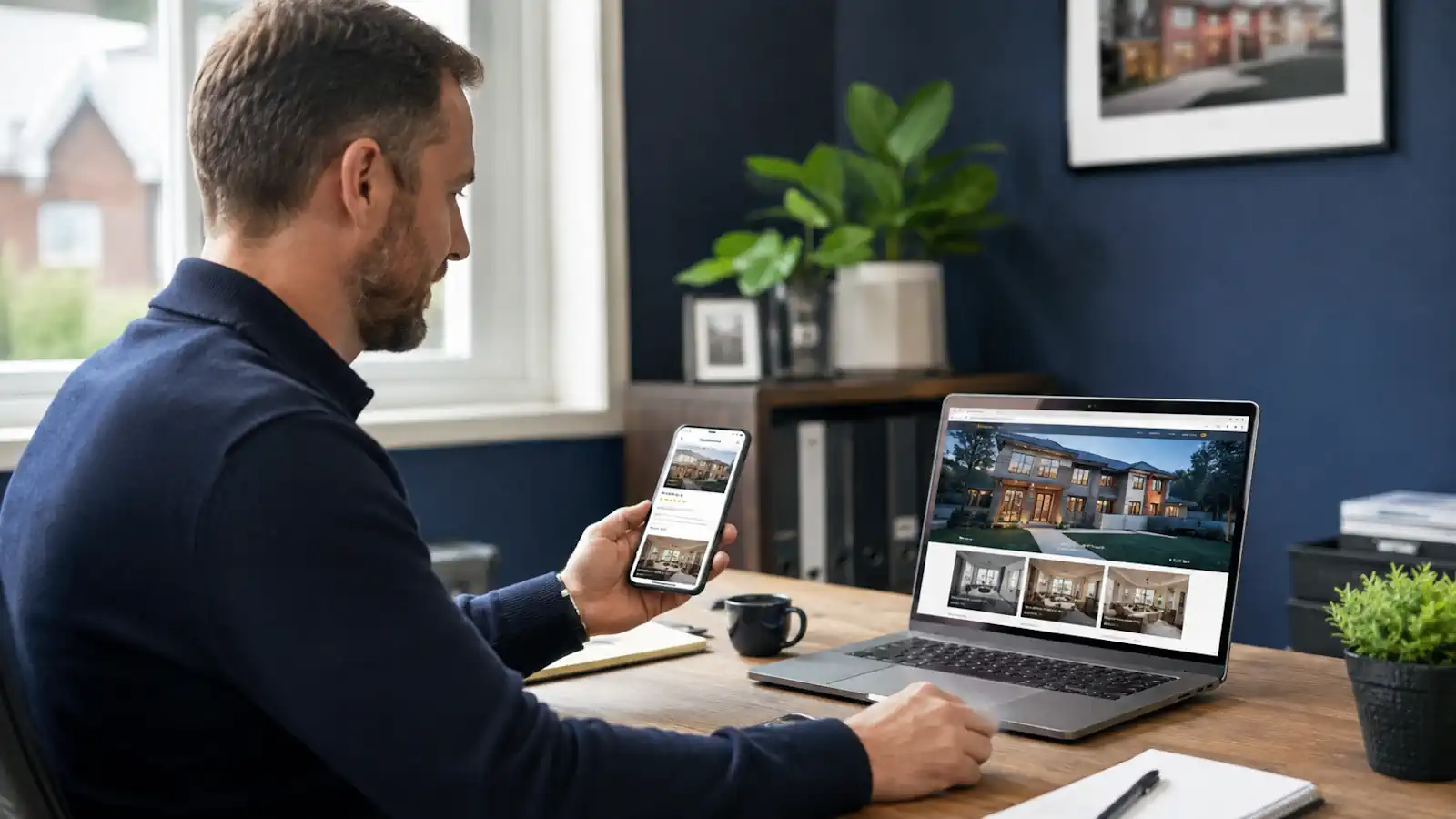
A Google Business Profile can be one of the most valuable online assets for a local business. It can display the address or service area, opening hours, reviews, photographs, calls and directions directly within Google Search and Maps.
That convenience sometimes leads owners to ask whether they still need a website. The answer is yes. A profile and a website perform different jobs, and they are strongest when they support each other.
Google controls the profile platform
Your business can manage its profile, but it does not own Google’s platform. Features, policies and display formats can change. Profiles can also be suspended, edited by third parties or temporarily become inaccessible.
A business should maintain accurate ownership and recovery information, but it should not place its entire online presence inside one external platform.
A website on a domain controlled by the business provides a more stable foundation. It gives the owner greater control over content, presentation and customer journeys.
A profile cannot explain every service properly
Google Business Profile provides categories, services, descriptions, updates and other useful fields. Space and layout are still limited.
A proper website can give each important service its own page. It can explain the problem, process, evidence, locations, common questions and next steps in appropriate detail.
This depth helps customers decide whether the business is suitable. It also supports the alignment discussed within Google Business Profile support: the profile should connect with a website that clearly confirms what the business offers.
The website can build stronger trust
A profile contains reviews and photographs, but a website can organise trust evidence more effectively. It may include team information, qualifications, guarantees, case examples, detailed project galleries, policies and helpful guides.
These elements allow customers to investigate the business at their own pace. Someone may discover the company through Maps and then visit the website before deciding to call.
You control the customer journey
On a Google profile, the layout and available actions are decided by Google. On a website, the business can guide visitors towards the most relevant service page, booking route, telephone number or enquiry form.
The journey can also reflect how the business actually works. An emergency service may prioritise calls. A surveyor may need customers to provide project details. A holiday business may need a booking calendar.
Websites support wider visibility
A useful website can attract visitors from organic search, referrals, social media, press coverage and AI tools as well as Google Business Profile. It gives other websites a relevant destination to reference.
Clear service and location pages also reinforce the information shown on the profile. This forms part of a wider visibility and authority structure.
The website should not contradict the profile. Names, contact details, services and areas should align. When both assets present a consistent business, customers receive a clearer message.
Measurement is more flexible
Profile performance information can show calls, directions and other interactions. A website allows deeper measurement through analytics, tracked links, page visits and enquiry events.
This can help a business understand which services attract interest and which pages support contact. The purpose is not to collect data for its own sake, but to make better decisions.
Use both assets for their strengths
Google Business Profile is excellent for local discovery and immediate actions. A proper website provides depth, control, ownership and a place to build the complete business message.
The choice is not profile or website. A stronger approach uses both:
- The profile helps customers discover the business.
- The website helps them understand and trust it.
- Consistent information connects the two.
- Wider content and authority support long-term visibility.
If you are unsure whether the website is providing that support, a website visibility check can highlight important gaps before further marketing decisions are made.
Related Articles
How Small Businesses Can Build Stronger Google Reviews in 2026
Practical advice for UK local businesses on improving Google review quality, responses and review habits without gimmicks or risky shortcuts.
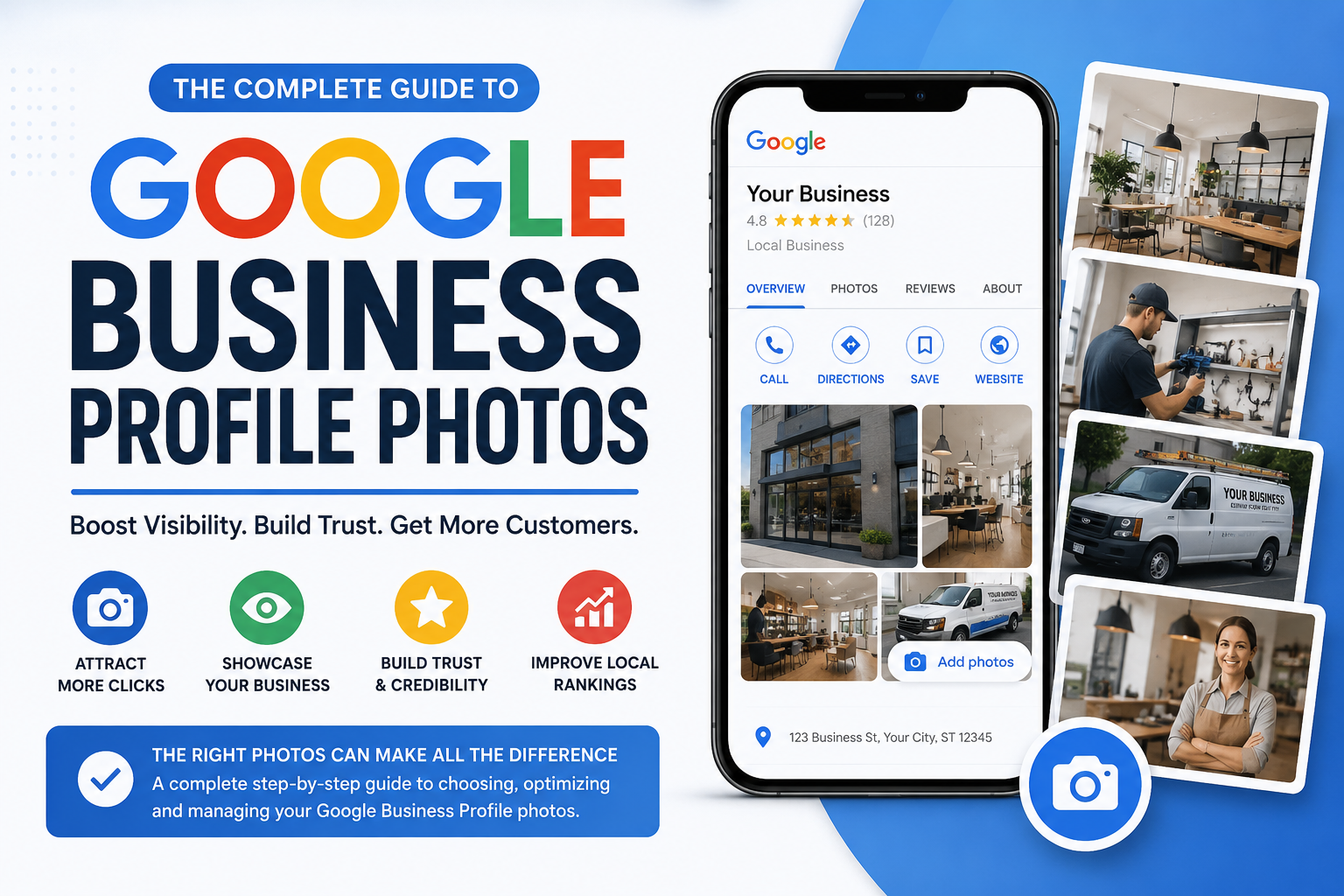
Google Business Profile Photos Guide
Learn how to use Google Business Profile photos to improve trust, visibility and local customer engagement.